The short answer
Technically yes, in the sense that reishi is not toxic and will not hurt you. Practically no, and no amount of cooking changes that.
A mature reishi has the texture of bark, not of a mushroom. A knife struggles with it and your teeth would lose outright. Braise it for hours and it stays woody, because the toughness is not undercooking, it is what the fungus is made of. And the flavour is intensely, lingeringly bitter, a deep resinous bitterness that takes over anything you add it to.
If you have seen “reishi recipes” online, they are either using the word loosely, stirring in an extract powder, or they have never met the mushroom.
Why the bitterness is the point
Here is the twist that makes reishi interesting rather than just inedible: the bitterness is not a flaw to cook around. Reishi’s triterpenes, the compound family most of the research attention lands on, are bitter by their chemical nature. A reishi with no bitterness is a reishi with very little in it, and growers use the bitterness as an informal quality check.
So reishi was never going to be food. For two thousand years of traditional use it never was: it was sliced, simmered, and extracted, treated the way you would treat a medicinal bark or root. The wood is the packaging. Extraction is how you open it.
What to do instead
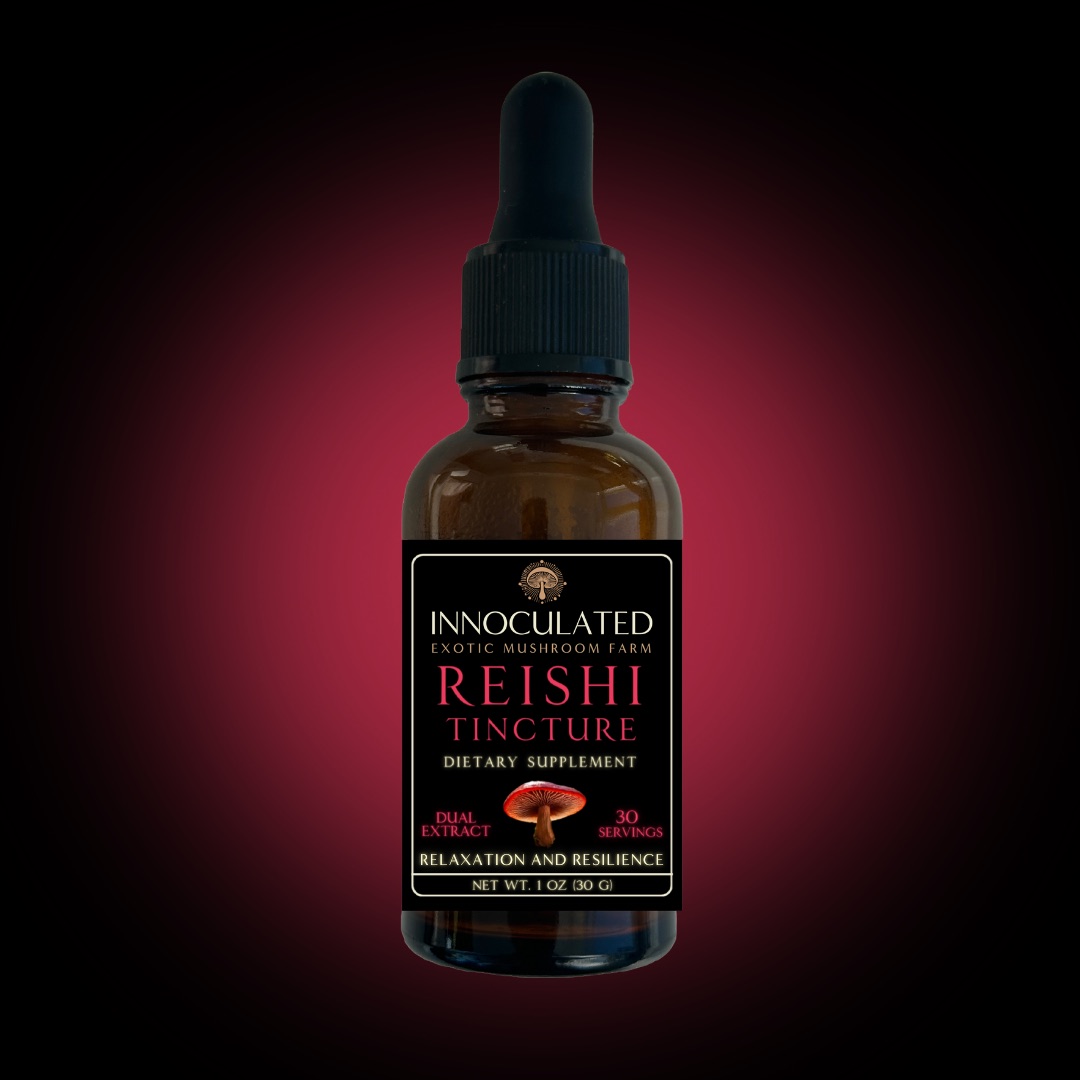
You get compounds out of reishi with solvents, not with a pan, and the detail that matters is that its two main compound families dissolve in different things. The beta-glucans come out in hot water. The triterpenes come out in alcohol. That is why the traditional simmered tea only ever captured half the mushroom, and why a dual extraction, alcohol soak plus hot-water decoction, combined, is the method that captures both. It is how our tincture is made, and it is what the phrase means when you see it on a label.
The one preparation to avoid is plain milled reishi powder with no extraction on the label. Ground raw reishi is ground raw wood, and your digestion cannot do much with it. The full story, including how to take a tincture and who should check with a doctor first, is in our complete reishi guide.
If what you actually wanted was a mushroom for the pan, that is a different animal entirely: start with Lion’s Mane, and bring butter.
These statements have not been evaluated by the Food and Drug Administration. Nothing here is intended to diagnose, treat, cure, or prevent any disease. Mushrooms are food, not medicine, talk to your doctor before changing anything about how you manage your health.