People compare Lion’s Mane and reishi because they meet them in the same place: the “functional mushroom” shelf, usually side by side, usually with similar promises on the label. But they are about as different as two mushrooms can be, and the comparison mostly dissolves once you know what each one actually is.
The short version: Lion’s Mane is a food with some early research attached. Reishi is a traditional tonic that was never food at all. Which one you want depends entirely on which of those two things you are shopping for.
Two different jobs
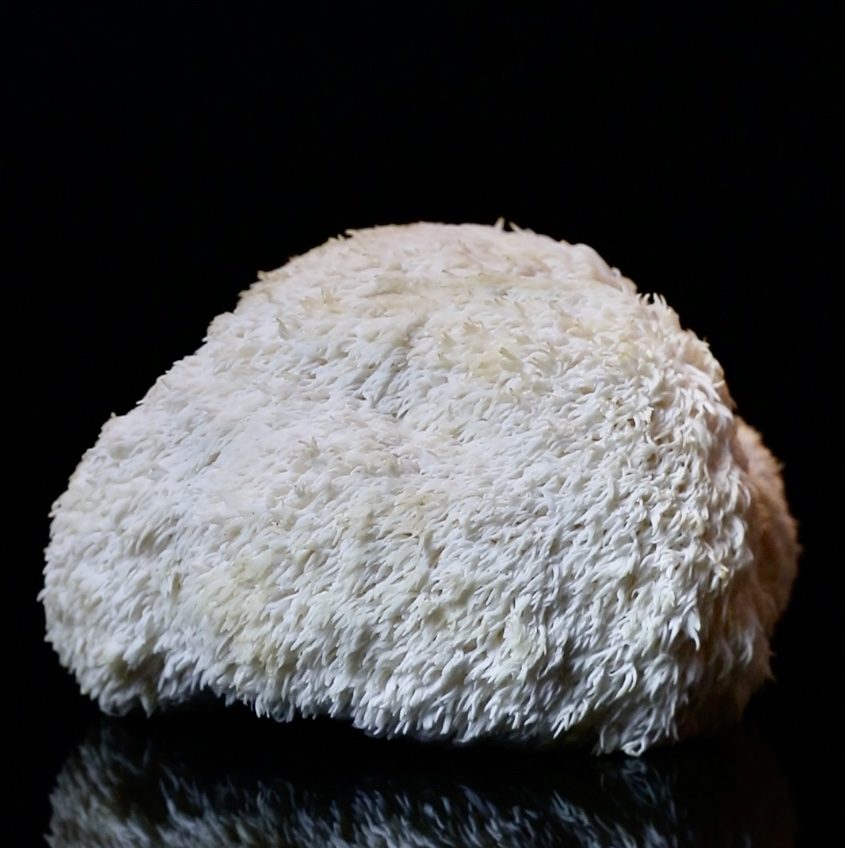
Lion’s Mane is the mushroom you cook. Seared thick in a hot pan it takes a golden crust and a texture closer to a scallop than to anything else in the fungus kingdom, and its reputation online rests on early research into compounds that stimulate nerve growth factor in laboratory settings. People reach for it in the morning, in the pan or stirred into coffee as a powder.
Reishi you could not cook if you tried. It is woody, closer to bark than to a portobello, and intensely bitter, which is precisely why it spent two thousand years as a prepared medicine rather than an ingredient. It is taken as an extract, traditionally associated with settling rather than energising, and people reach for it in the evening.
Same shelf, opposite ends of the day.
Side by side
| Lion’s Mane | Reishi | |
|---|---|---|
| Species | Hericium erinaceus | Ganoderma lucidum |
| Edible? | Yes, and genuinely delicious | Technically, but woody and intensely bitter |
| Taste | Sweet, delicate, crab-like | Bitter and resinous |
| How it is used | Cooked fresh, or as a powder in drinks | Extracted into a tincture or tea |
| Key compounds | Hericenones and erinacines | Triterpenes and beta-glucans |
| The claim attached to it | Focus and memory | Sleep, stress, immune support |
| Time of day people use it | Morning | Evening |
| Depth of tradition | Culinary history in East Asia | Two millennia in Chinese herbal literature |
In the kitchen
This one is not a comparison, it is a walkover. Lion’s Mane is one of the best cooking mushrooms there is: slice it thick, dry-sear it until its water is gone, finish with butter, and you have something that converts people who claim not to like mushrooms.
Reishi has no kitchen use at all. The most culinary thing you can do with it is simmer slices for an hour or two into a bitter tea, and even that is extraction, not cooking. Any product suggesting reishi recipes is selling you an ornament.
If your question is “which one should I eat,” the answer is Lion’s Mane, and the question is over.
The evidence, briefly
Both mushrooms carry big claims, and both claims outrun their evidence, in different ways.
Lion’s Mane contains compounds shown in cell studies to stimulate nerve growth factor, a protein involved in maintaining neurons. That finding is real. The human research built on it is thin: the most-cited trial followed 30 older adults with mild cognitive impairment for sixteen weeks, and the handful of studies since are small, short, and mixed. A petri-dish mechanism and a proven effect on your memory are very different things, and only the first currently exists.
Reishi has thousands of published papers, most of them laboratory work. Its beta-glucans measurably modulate immune-cell signalling and its triterpenes show anti-inflammatory activity in cell and animal models, but human trials remain small and often methodologically weak, and the sleep and stress claims that drive most purchases rest largely on animal data plus tradition.
Neither mushroom is a proven treatment for anything. Both are legitimate subjects of early research with long histories of safe use. If a label on either one says “clinically proven,” put it back.
So which one do you buy?
Match the mushroom to the actual reason you are shopping:
- You want something wonderful to cook. Lion’s Mane, fresh, no contest. This is the strongest reason to buy either mushroom, because it does not depend on any research turning out to be true.
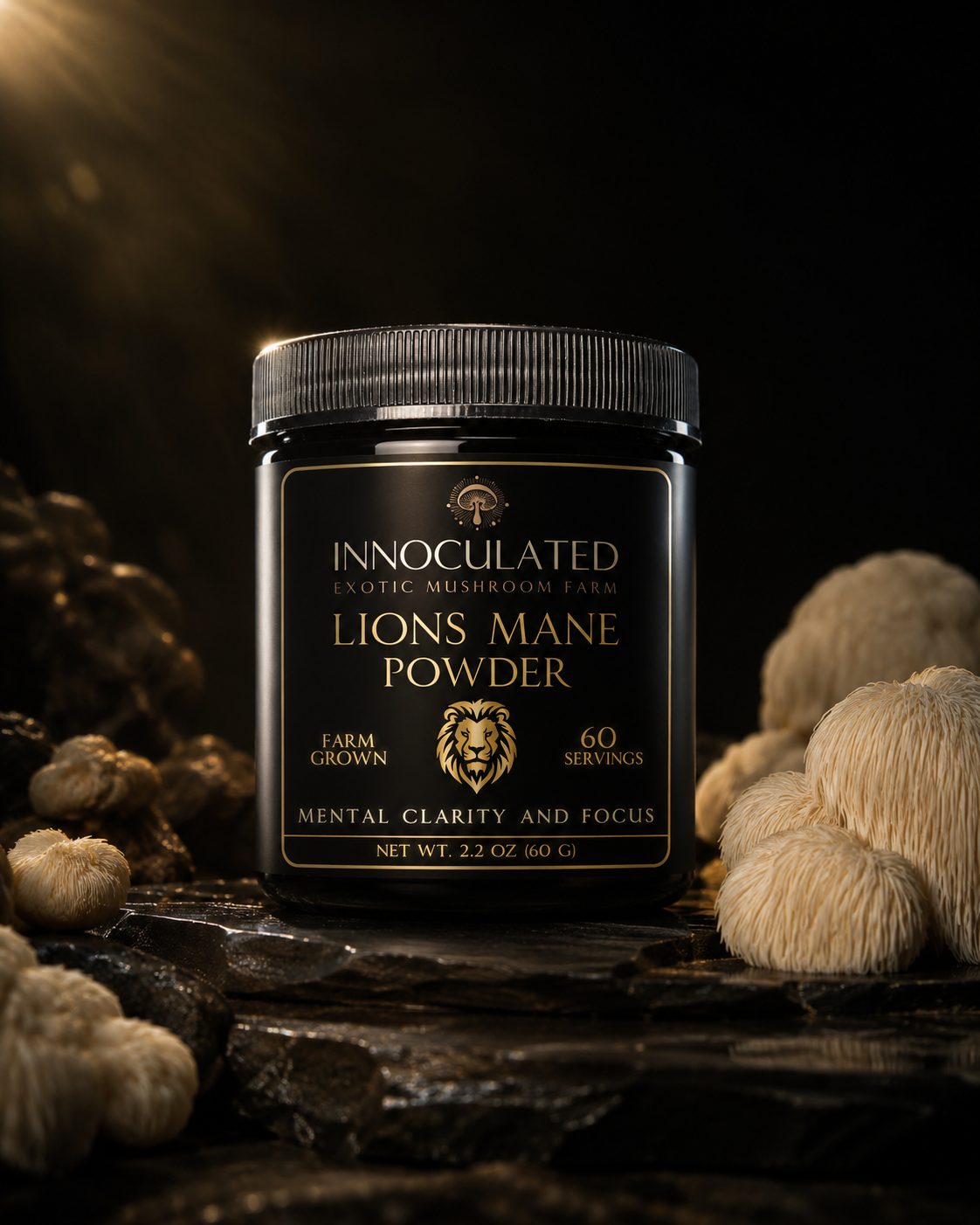
- You want a daily routine without cooking. Lion’s Mane powder, dried fruiting body milled fine, into coffee or a smoothie.
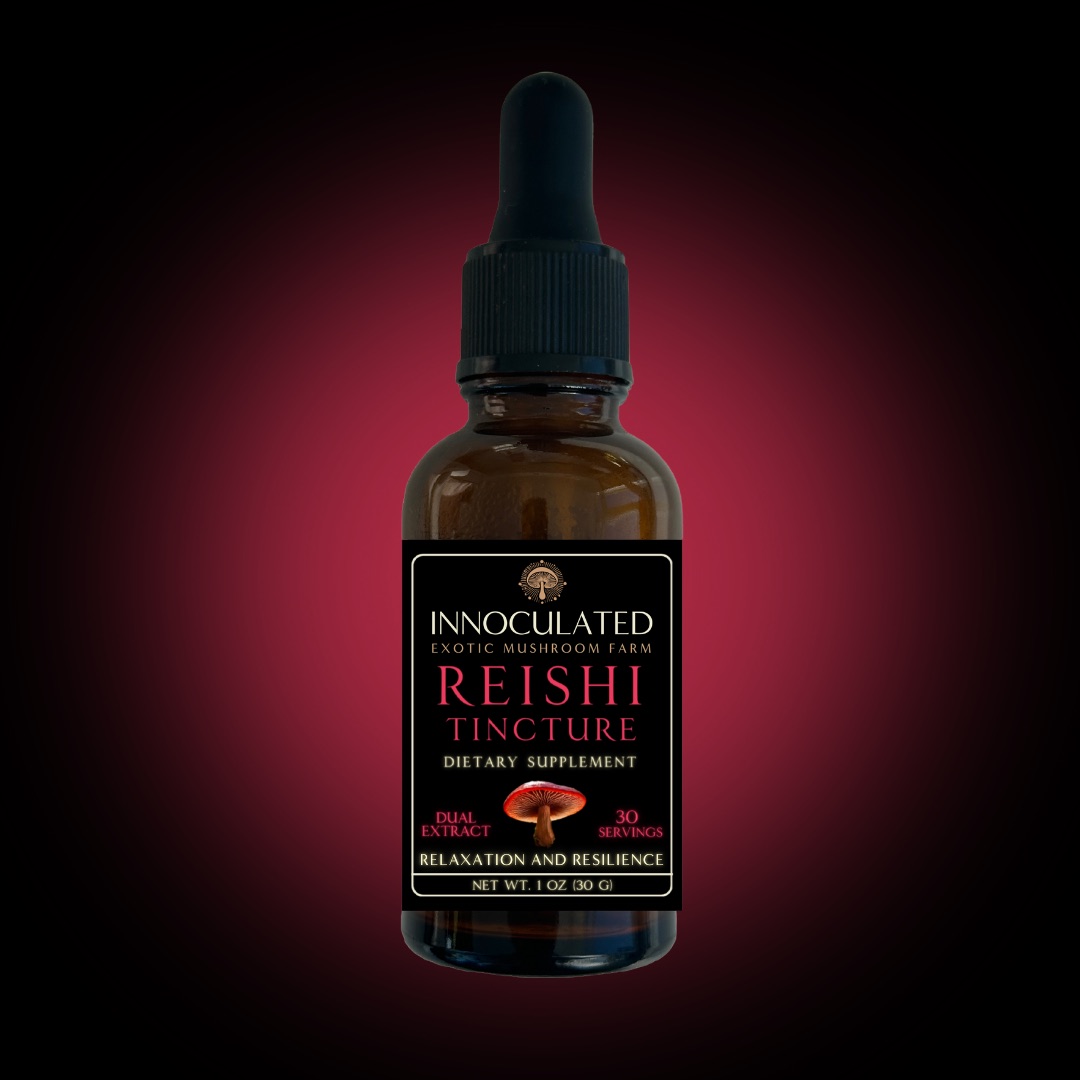
- You are interested in the traditional evening tonic. Reishi tincture, taken steadily over months, with the understanding that “traditional tonic” is the claim and the whole claim.
- You are curious about both. They do not compete. Plenty of people cook Lion’s Mane and take reishi in the evening, and since one is a food and the other is a tonic, that combination makes more sense than choosing.
One honest caveat before any of it: reishi in particular can interact with blood thinners, blood-pressure medication, and immunosuppressants, and concentrated extracts of either mushroom deserve a mention to your doctor if you take regular medication, are pregnant, or are heading into surgery. The full safety notes are in each variety’s own guide.
These statements have not been evaluated by the Food and Drug Administration. Nothing here is intended to diagnose, treat, cure, or prevent any disease. Mushrooms are food, not medicine, talk to your doctor before changing anything about how you manage your health.