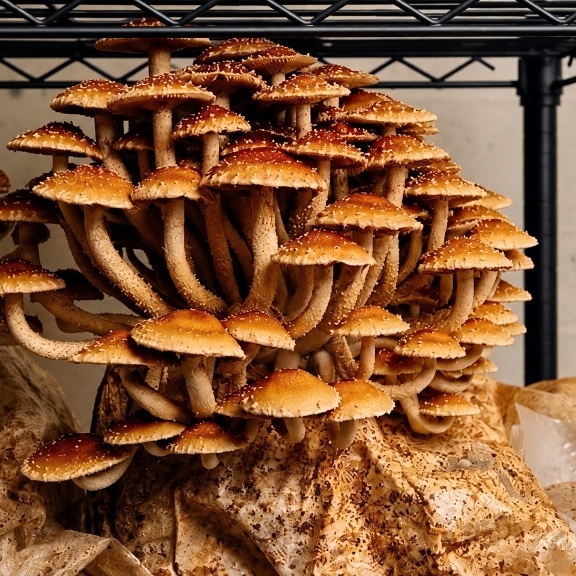
Most mushrooms are not killed by time. They are killed by plastic.
A fresh mushroom is still alive when you bring it home. It is breathing, giving off moisture, and slowly digesting itself, and everything about storing it well comes down to working with that fact instead of against it. Get this right and a well-grown mushroom keeps most of a week. Get it wrong and it is slime by Thursday.
Why mushrooms spoil the way they do
Mushrooms are roughly 90% water, they have no protective skin worth mentioning, and after harvest they keep respiring: taking in oxygen, releasing moisture and carbon dioxide.
Seal that in plastic and the released moisture has nowhere to go. It condenses on the surface of the mushroom, and a wet mushroom surface is an open invitation to the bacteria that cause the slick, sour spoilage everyone recognises. The clamshell of supermarket mushrooms going slimy in its own wrapper is not bad luck. It is the packaging doing exactly what packaging does.
The second enemy is bruising. Mushroom tissue is delicate, and every knock becomes a dark spot that spoils first. Store them where nothing sits on top of them.
The paper bag rule
The whole method is one sentence: a paper bag, loosely folded shut, in the main body of the fridge.
- Paper breathes. It lets moisture escape while keeping the mushroom from drying out too fast. This single swap, plastic to paper, is worth more than everything else on this page combined.
- Do not wash before storing. Water on the surface starts the spoilage clock. Clean mushrooms when you cook them, with a dry brush or a barely damp cloth, and never by soaking.
- Keep them out of the crisper drawer. Crisper drawers are designed to hold humidity in, which is the plastic-bag problem in furniture form. The open shelf is better.
- Whole keeps longer than cut. Every cut surface is new territory for spoilage. Slice when you cook, not before.
If you take our mushrooms home in their paper bag, you are already done. The bag is the storage.
How long each variety keeps
Everything we sell is cut to order on the morning it goes out and never cold-stored, so the clock starts at zero when it reaches you. From there, in a paper bag in the fridge:
| Variety | Keeps well for | What to watch |
|---|---|---|
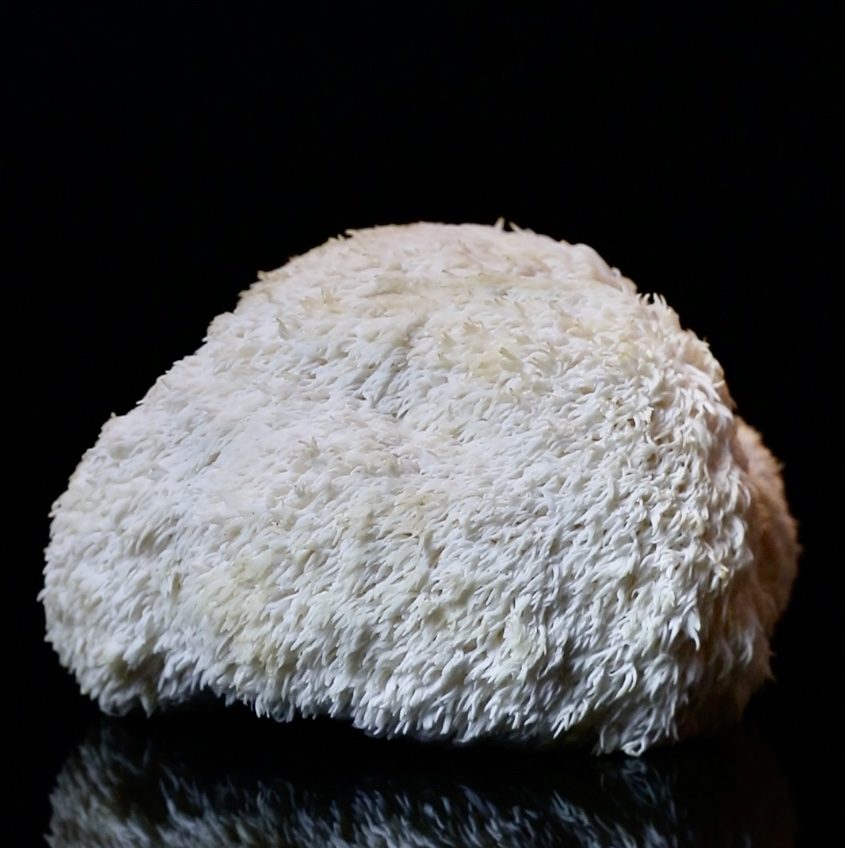
| Lion’s Mane | 5 to 7 days | Yellowing patches; flavour turns bitter before the colour looks bad |
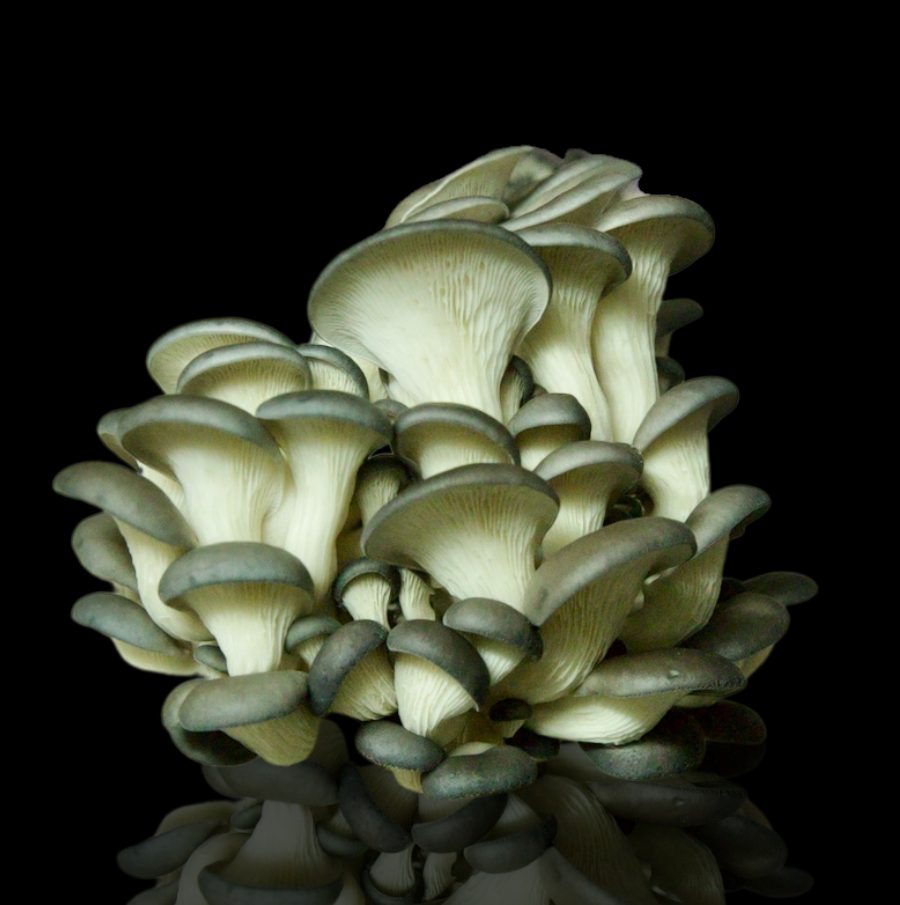
| Blue Oyster | 4 to 6 days | Drying, curling edges; a fishy smell means it is done |
| Shiitake | 7 to 10 days, the keeper of the group | Caps wrinkling is fine; slime under the cap is not |
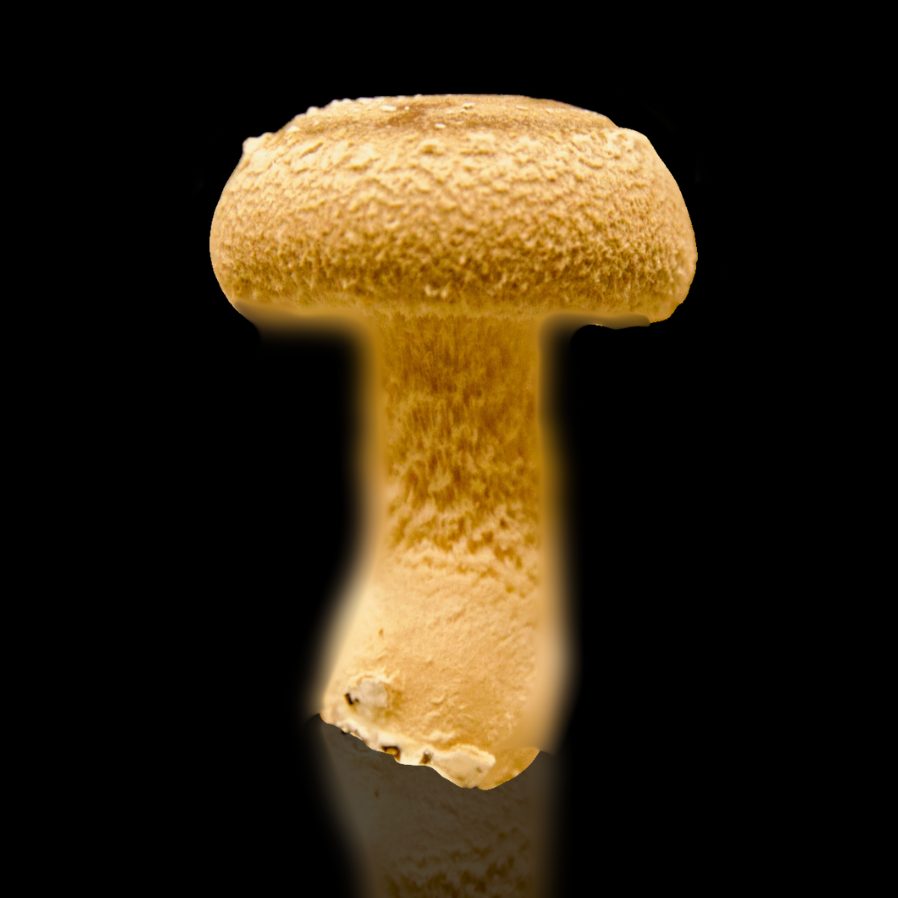
| Pioppino | 5 to 7 days | Stems softening from the base |
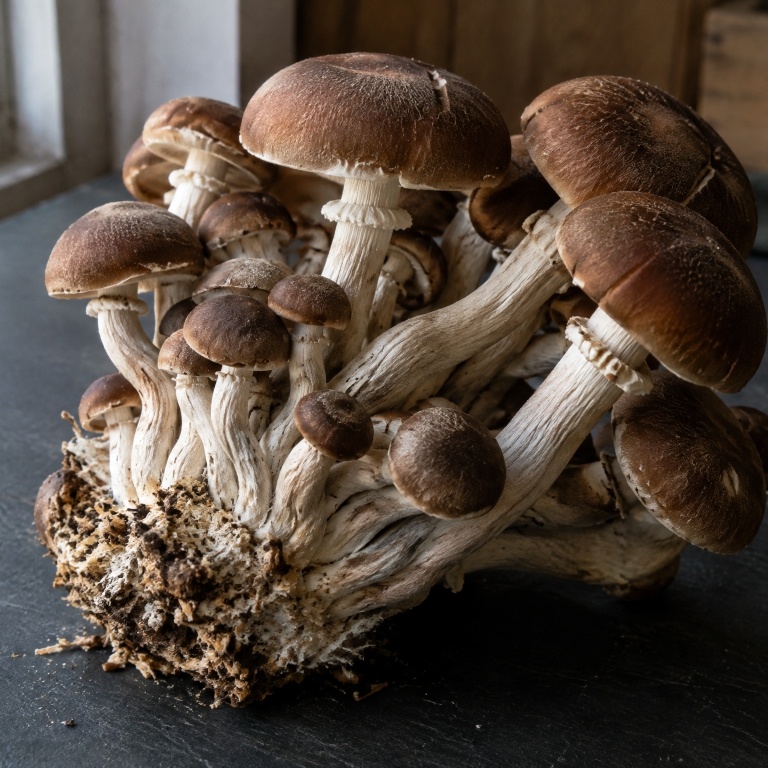
| Chestnut | 5 to 7 days | Caps losing their firmness |
These are honest ranges for mushrooms that started fresh, not guarantees. Your fridge, how full it is, and how the bag is packed all move the number.
Signs it has turned
Trust your senses over any date:
- A slick or tacky surface. The first and most reliable sign.
- A sour or ammonia smell. Fresh mushrooms smell faintly sweet, earthy, or of almost nothing.
- Dark wet spots that were not there when you bought them.
- For Lion’s Mane specifically, yellow or orange patches. Its flavour goes before its looks do.
Wrinkling and mild drying, on the other hand, are cosmetic. A slightly dried oyster or shiitake is completely fine to cook, and shiitake in particular concentrates flavour as it dries.
If you cannot cook them in time
Do not freeze mushrooms raw. Freezing turns their water content into ice crystals that shred the texture, and they thaw into mush.
Instead, cook first, then freeze. Sear them dry, or sauté in a little fat, until their water has cooked off, cool them, and freeze flat in a sealed bag. Cooked mushroom keeps for around three months frozen and drops straight into soups, pastas, and rice dishes without thawing.
The other rescue is the pan itself. A mushroom on day six that you would not serve whole is still an excellent mushroom chopped into a ragu, a broth, or scrambled eggs. Cooking is the best storage method ever invented.